Washing advice is a minefield of confident claims. Wash daily or your scalp suffers. Never wash more than twice a week or your hair will dry out. Train your scalp and it will produce less oil. In Cramerton, as everywhere, people with completely different hair repeat these rules to each other as if hair were one thing. It is not, and sorting the claims is the fastest route to a routine that fits your own head.
The truth underneath the arguments is unglamorous: oil production is personal, hair texture decides how fast that oil shows, and the right frequency is the one that keeps your scalp comfortable and your lengths in good condition. Everything else is a claim to be tested.
The claims, sorted
| Claim | Verdict | What is actually going on |
|---|---|---|
| You can train your scalp to make less oil | False | Sebum production is set by hormones and genetics. Washing less does not switch it down; it just leaves the oil in place longer. |
| Daily washing is always harmful | It depends | Fine, straight, oily hair often does best washed daily with a gentle shampoo. Dry, curly hair washed daily may lose moisture faster than it gains cleanliness. |
| Curly hair should almost never be washed | False | The scalp still needs cleaning regardless of texture. Curls often suit less frequent shampooing with more conditioning, but the scalp is skin and gets buildup like any other. |
| If your scalp itches, you need to wash more | It depends | Itching can mean buildup and overdue washing, or dryness and over-washing. Flakes plus oil point one way; tight, dry skin points the other. |
| Washing twice in one shower is a waste | False | The first wash loosens oil and product, the second cleans the scalp. After heavy buildup or several days, the double cleanse is the efficient option. |
| Dry shampoo counts as washing | False | It absorbs surface oil and adds texture, which buys time. It cleans nothing and adds buildup of its own that a real wash must remove. |
What actually sets your number
Three factors do most of the work. First, scalp oil: some scalps coat the roots within a day, others take three. Second, texture: oil travels quickly down straight hair and very slowly around curls and coils, so the same scalp produces visibly oily hair on one person and dry-feeling hair on another. Third, activity and environment: workouts, outdoor work, helmets and hats, and humid North Carolina summers all shorten the interval, while a quiet winter week at a desk lengthens it.
Color adds a fourth consideration. Every wash fades color a little, so freshly colored hair often stretches the interval with the help of dry shampoo and cooler water, accepting slightly less pristine roots as the trade for longer-lasting color.
A workable way to find your frequency
Start from how your scalp feels, not from a rule. Wash, then note the day the roots feel genuinely oily or the scalp starts to itch or flake. That day, minus a small margin, is your current interval. Adjust in summer and winter and after any change in exercise routine. If the lengths feel dry while the scalp is ready for a wash, the answer is usually technique, not frequency: shampoo the scalp, let the rinse clean the lengths, and put the conditioner on the ends where it belongs.
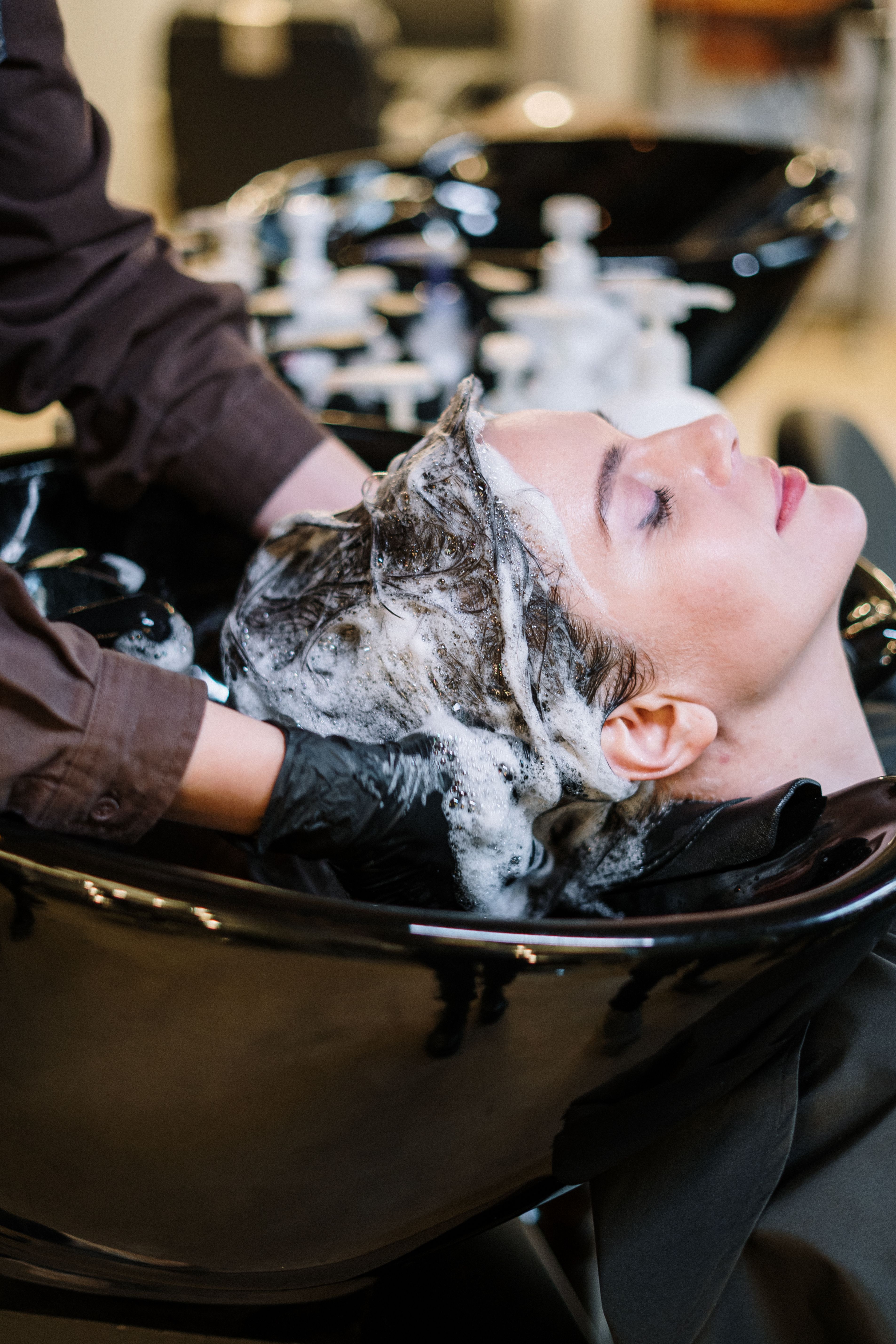
Still unsure? Ask for an honest read at Modern Texture Hair Salon, where a stylist can feel your scalp and texture and give you a starting number to test for a few weeks.
One more factor quietly changes the answer for many people: water itself. Hard water leaves mineral film that makes hair feel dirty and look dull sooner, tricking people into washing more often to fight a problem that is actually in the plumbing. If your hair feels coated quickly despite a sound routine, mention it at your appointment. A clarifying rhythm or a shower filter sometimes fixes a frequency problem that was never really about frequency at all, just about what the water left behind.
Common questions
Is it bad to wash my hair every day?
Not if your scalp needs it and you use a gentle shampoo with conditioner on the lengths. The people harmed by daily washing are usually those with dry, textured hair using a harsh cleanser.
Why does my hair get oily faster than my friend's?
Probably a combination of a more active scalp and straighter, finer hair that shows oil quickly. It is physiology, not a hygiene failing, and it simply sets a shorter wash interval.
Should I change my routine in summer?
Most people should. Heat, sweat, humidity, and swimming shorten the comfortable interval in a Piedmont summer, while richer conditioning protects the lengths from the extra washing.
Photos in this guide are representative stock images.
← All guides from Modern Texture Hair Salon← Back to Modern Texture Hair Salon